
roots, time, self
I explore this shrine and the ancient history woven into the land around it.
Origin
In the first year of Tenkei (938), during the reign of Emperor Suzaku, a divine spirit was enshrined here after being invited from Usa Hachimangū in Buzen Province (present-day Ōita Prefecture). The deity came to rest upon a sacred megalith known as Iwatō-ishi. The mountain thereafter became known as Mount Iwatō, and the shrine was named Iwatō Hachimangū. In Kan’ei 5 (1008), the shrine was relocated from Mount Iwatō to its present site in Dainichi-men, approximately 200 meters away. It was later rebuilt in Eishō 12 (1315) by Sue Okihusa, a retainer of Ōuchi Yoshioki.
Enshrined Deities
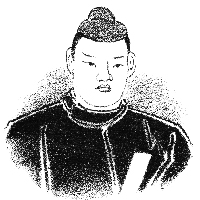
Emperor Chūai
The 14th Emperor of Japan.
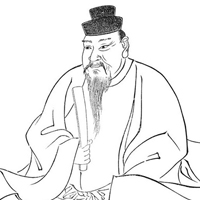
Emperor Ōjin
The 15th Emperor of Japan.
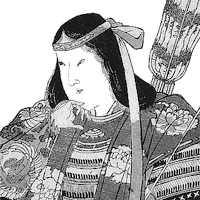
Empress Jingū
The consort of Emperor Chūai
Shrine Precinct Guide
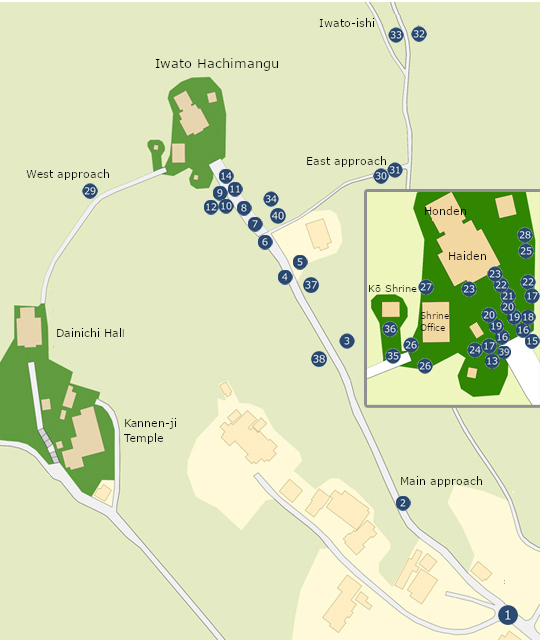
1Sacred Posts
21Flag Pole
2Torii (Main approach)
22Hyakudo-ishi
3Well
23Stone Lantern
4Stone Lantern
24Memorial Pine Tree
5Memorial Tower
25Memorial Monument
6Large Komainu
26Stone Lantern
7Stone Lantern (Round Pillar)
27Stone Lantern
8Stone Lantern
28Stone Lantern
9Stone Lantern
29Torii (West approach)
10Stone Lantern
30Torii (East approach)
11Stone Lantern
31Stone Lantern
12Memorial Cherry Tree
32Hōju Lantern
13Memorial Monument
33Iwatō Stone
14Large Stone Lantern
34Memorial Monument
15Shrine Name Monument
35Torii (Kō Shrine)
16Stone Lantern
36Stone Lantern
17Tamagaki (Sacred Fence)
37Memorial Hinoki
18Stone Lantern
38Site of the Former Shrine Office
19Komainu
39Origin Plaque
20Stone Lantern
40Iwato Archaeological Site
Blog
2026-1-1
2025-12-09